
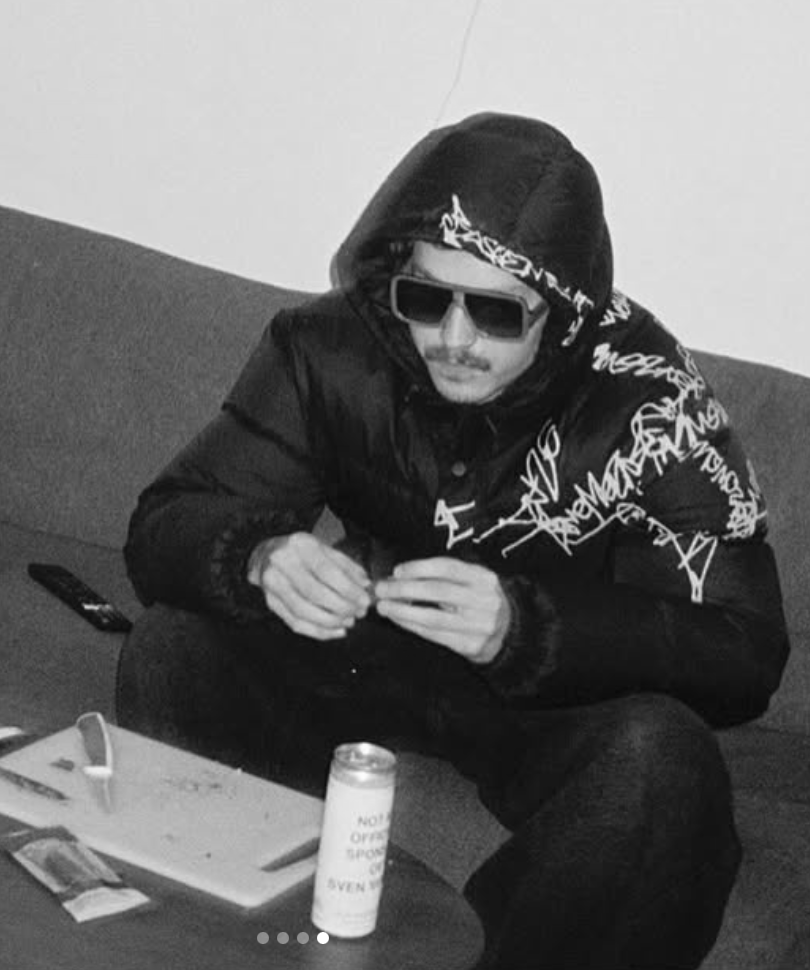
Sven Yamaha
The post
@cutbymusic · Jul 8, 2026 · 6 slides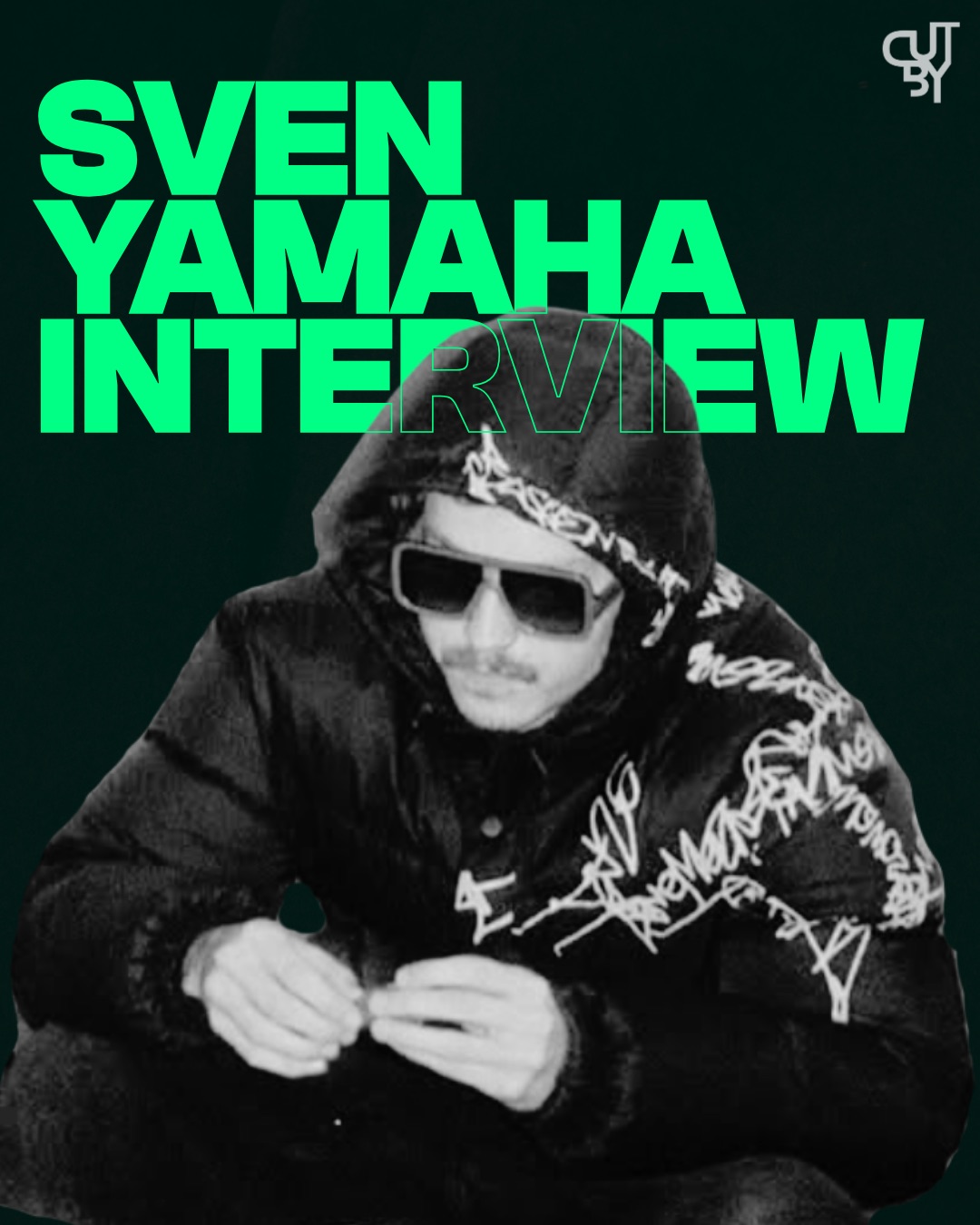
The interview
Tor Iver Johnson has been releasing music as Sven Yamaha for the better part of a decade: every song self-produced and self-recorded, with no musical background before he started. He has never taken any of it down. At 26, a year and a half into doing music full time, he is taking meetings and running the thing like a company. We spoke for an hour about why he is glad none of this happened sooner.
I’m just gonna show everybody everything. It’s all out there for everybody to see.
Sven Yamaha
Tell me a bit about where you’re from, how you got into making music, and anything else people should know about Sven Yamaha.
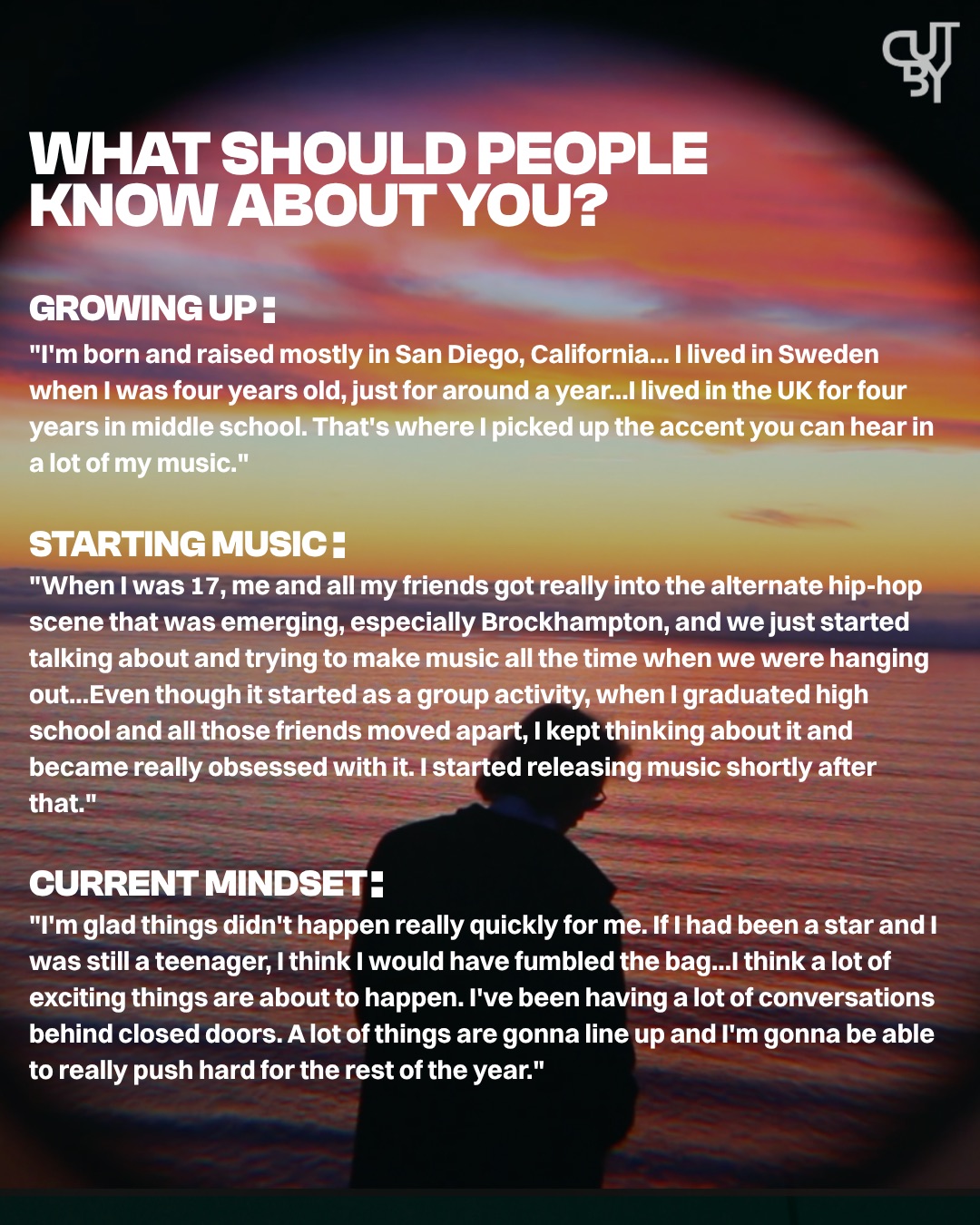
I’m born and raised mostly in San Diego, California. I also grew up a little bit in Sweden and in the UK. I never thought I was going to be a musician when I was younger, I always had a bigger dream of being an actor, I always wanted to be in movies. But when I was 17 or so, me and all of my friends got really into the alternative hip-hop scene that was emerging, especially Brockhampton, and we just started talking about and trying to make music all the time when we were hanging out. Even though it started out as a group activity, when I graduated high school and all of those friends moved apart, I kept thinking about it and became really obsessed with it. There were a lot of times I thought I might stop, but I just kept coming back to it. Once I left school I really started going full time into music, that was about a year and a half ago.
How long did you live in Sweden, and is that where the accent in some of your songs comes from?
I lived in Sweden when I was about four, just for a year or so. My family is ethnically Swedish: my real name is Tor Iver Johnson, which is a very Swedish name, and my dad lives in Sweden now. But I lived in the UK for four years when I was in middle school, and that’s where I picked up the accent you can hear in a lot of my music.
Read the rest of the conversation · 6 more
Where did the name Sven Yamaha come from?
At the time I was trying to come up with a name, a lot of my favorite artists had this naming style: Kevin Abstract, Frank Ocean, Earl Sweatshirt. So I wanted a name like that. I figured I’d make my first name something even more obviously Swedish, which is where Sven came from. Then I was trying to think of an object for the second part, and I think the first thing I said was Sven Casio. But my friend was playing a Yamaha keyboard at the time and he was like, nah bro, Sven Yamaha. And I was like, wait, yeah, that’s kind of sick.
You’re going on seven years of releasing music. What’s it like going back through the older discography: nostalgia, or do you just see yourself as naive back then?
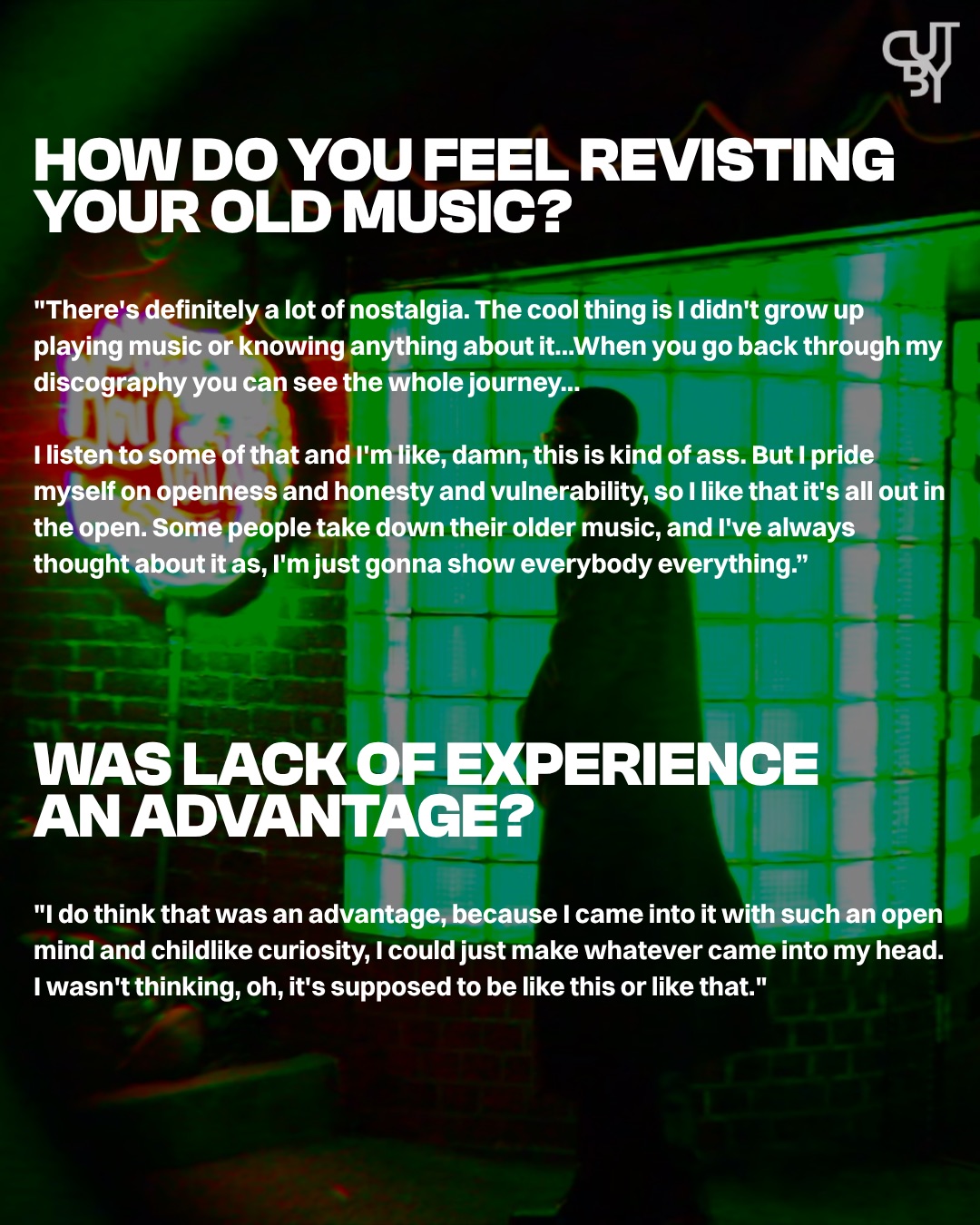
There’s definitely a lot of nostalgia. The cool thing is that I didn’t grow up playing music or knowing anything about music. When I started wanting to release music I had absolutely no musical background or skills whatsoever, and I just got right to it, my whole career, everything’s always been self-produced, self-recorded. It’s all me. So when you go back through my discography you can really see the whole journey. If you go back to the start, I listen to some of that and I’m like, damn, this is kind of ass. But I pride myself on openness and honesty and vulnerability, so I like that it’s all out in the open. Some people take down older music, or they have a mentality of, I’m not going to start releasing until I’m at a certain level. I’ve always thought about it as: I’m just gonna show everybody everything.
Do you think coming in with no formal background was an advantage?
I do think that was an advantage I had. Because I came into it with such an open mind, and with a kind of childlike curiosity, I could just make whatever came into my head. I wasn’t thinking, oh, it’s supposed to be like this, or it’s supposed to be like that.
What’s the single hardest aspect of being an artist?
Definitely the business side of it. I feel like a lot of people don’t realize how many meetings you have to take, especially as things have started going better for me, A&Rs, managers, publishers, people who want to do videos, trying to book live shows. Especially when you’re on the independent path and you haven’t got the team around you yet. The thing I struggle with most is how much I have to think about this like I’m running a company. The music comes easy for me, that’s what I signed up for, that’s what I want to do, I don’t have to think too hard about making songs, it kind of just happens. It’s all the stuff around it that I find really challenging.
How do you navigate authenticity in that? It’s no secret people get taken advantage of in this industry.
It is hard. I’ve had no shortage of conversations where someone’s telling you one thing and they’re not speaking from their heart, or not telling you the full truth, or they disappoint you in some way. But I think the music industry sometimes gets a bad rap because people are kind of naive. They’re like, we’re musicians, we’re creating from our hearts, this is a pure thing, and that’s all true, but if you want to make a career out of it, it’s also a business. It probably isn’t all that different from if I was trying to start a construction company. I’d be saying, damn, all these people are trying to keep me from getting my permits, all these customers are screwing me over. That’s kind of just how things work. There are shady people in the world. That’s what it is.
You’ve said you’re glad this didn’t happen for you earlier.
I really think it’s a blessing that things didn’t happen really quickly for me, that I didn’t blow up when I was 19 or 20. I’m 26 now. If I’d been a star when I was still a teenager I think I would have fumbled the bag.
What's next
- Singles over albums for now: partly strategy, partly because the unreleased catalog splits into groups that wouldn’t sit together.
- An album when the timing is right. “Me and My Knife at the Gunfight,” made at 21, taught him to wait.
- Staying constantly present between releases rather than disappearing.